Chemistry
DEVELOPMENT OF THE ATOMIC MODEL
How our idea of the atom changed
Solid Sphere Model
Matter is made of tiny particles called atoms.
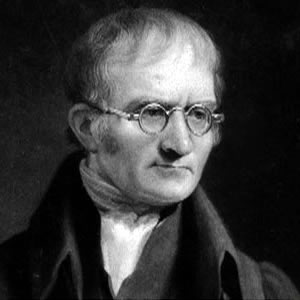
John Dalton
Proposed the Solid Sphere Model
HOW THIS MODEL DEVELOPED
Dalton developed one of the first modern scientific atomic theories to explain how elements combine.
KEY IDEA
Elements are made from characteristic atoms that combine in simple whole-number ratios.
Click the model to continue
NEXT: THE PERIODIC TABLE
Where do the elements belong?
Elements are arranged into vertical columns called groups. Put the missing groups back into the simplified periodic table.
Missing groups
Drag a group into the table, or click a group and then click where it belongs.
Place group
Place group
Transition metals
begin here after calcium
Place groups
Place group
Place group
CHEMISTRY CONTENTS
What would you like to learn?
Choose a chapter to see its topics and available interactive activities.
FORM
4
FORM
5