ATOMIC STRUCTURE & ISOTOPES

Build an Atom

Choose an element and isotope, examine its nucleus, then build its electron arrangement one electron at a time. Continue below to discover how isotopes are used in everyday life.

CURRENT STEP

Add an electron to Shell 1

Shell 1 · 0 / 2
11 p⁺ 12 n⁰
Electron configuration 0
Drag an electron onto the highlighted ring.
NUCLEAR STRUCTURE

Build a Nucleus

Change the numbers of protons and neutrons. The proton number determines the element, while the neutron number determines which isotope you have made.

NUCLEONS
Protons Determines the element
Neutrons Changes the isotope
Evaluated range in this activity: Carbon-8 to Carbon-22
Nucleon number A = 12 protons + neutrons
NUCLEUS

Carbon-12

Stable
12 6C
6 p⁺ · 6 n⁰
Proton Neutron
IDENTIFIED ELEMENT
6 C Carbon
Proton number 6
Neutrons 6
Nucleon number 12
Carbon-12 is a stable nuclide.
RADIOACTIVE DECAY

Carbon-12 is stable

Half-life Stable
Decay mode None
Radiation emitted None
Daughter nuclide —
No radioactive decay

No radioactive decay has been observed for this nuclide.

HISTORY

Carbon-12

Carbon-12 was identified in 1919.

Where did the idea of isotopes come from?

Frederick Soddy introduced the term “isotope” in 1913 while studying radioactive substances.

Nuclear data: NUBASE2020
PERIODIC TABLE

Where is this element?

The highlighted tile is determined by the number of protons in the nucleus.

1 H
2 He
3 Li
4 Be
5 B
6 C
7 N
8 O
9 F
10 Ne
11 Na
12 Mg
13 Al
14 Si
15 P
16 S
17 Cl
18 Ar
19 K
20 Ca
21 Sc
22 Ti
23 V
24 Cr
25 Mn
26 Fe
27 Co
28 Ni
29 Cu
30 Zn
31 Ga
32 Ge
33 As
34 Se
35 Br
36 Kr
37 Rb
38 Sr
39 Y
40 Zr
41 Nb
42 Mo
43 Tc
44 Ru
45 Rh
46 Pd
47 Ag
48 Cd
49 In
50 Sn
51 Sb
52 Te
53 I
54 Xe
55 Cs
56 Ba
57 La
72 Hf
73 Ta
74 W
75 Re
76 Os
77 Ir
78 Pt
79 Au
80 Hg
81 Tl
82 Pb
83 Bi
84 Po
85 At
86 Rn
87 Fr
88 Ra
89 Ac
104 Rf
105 Db
106 Sg
107 Bh
108 Hs
109 Mt
110 Ds
111 Rg
112 Cn
113 Nh
114 Fl
115 Mc
116 Lv
117 Ts
118 Og
58 Ce
59 Pr
60 Nd
61 Pm
62 Sm
63 Eu
64 Gd
65 Tb
66 Dy
67 Ho
68 Er
69 Tm
70 Yb
71 Lu
90 Th
91 Pa
92 U
93 Np
94 Pu
95 Am
96 Cm
97 Bk
98 Cf
99 Es
100 Fm
101 Md
102 No
103 Lr
RADIOACTIVE ISOTOPES

Identify the Radiation

Compare the nucleus before and after radioactive decay. Use the changes in proton and neutron numbers to identify the radiation that was emitted.

Question 1 / 6 Score: 0
BEFORE DECAY

Carbon-14

Protons 6
Neutrons 8
Excited nucleus
WHAT CHANGED?
Protons +1
Neutrons −1
Nucleon no. No change
Excited nucleus released energy
→
?
Match the changes to the type of radiation.
AFTER DECAY

Nitrogen-14

Protons 7
Neutrons 7

Which radiation was emitted?

α Alpha 2 protons and 2 neutrons leave Proton no. −2 · Nucleon no. −4
β⁻ Beta A neutron changes into a proton Proton no. +1 · Nucleon no. unchanged
γ Gamma The nucleus releases excess energy Proton no. and nucleon no. unchanged
Compare the two nuclei before choosing your answer.
RADIOACTIVE RADIATION

Radiation in an Electric Field

Select a type of radiation, predict its path, then observe how it behaves between electrically charged plates.

ELECTRIC FIELD
Top plate: + Bottom plate: −
Lead block Radioactive source + − β⁻ γ α Detector
ISOTOPES IN EVERYDAY LIFE

Why are isotopes useful?

Some isotopes are radioactive. The radiation they emit, or their ability to act as tracers, allows scientists to use them in medicine, agriculture, archaeology, engineering and energy production.

AX
Isotopes of the same element have the same proton number.

They contain different numbers of neutrons, so they have different nucleon numbers. Some isotopes are unstable and release radiation as they decay.
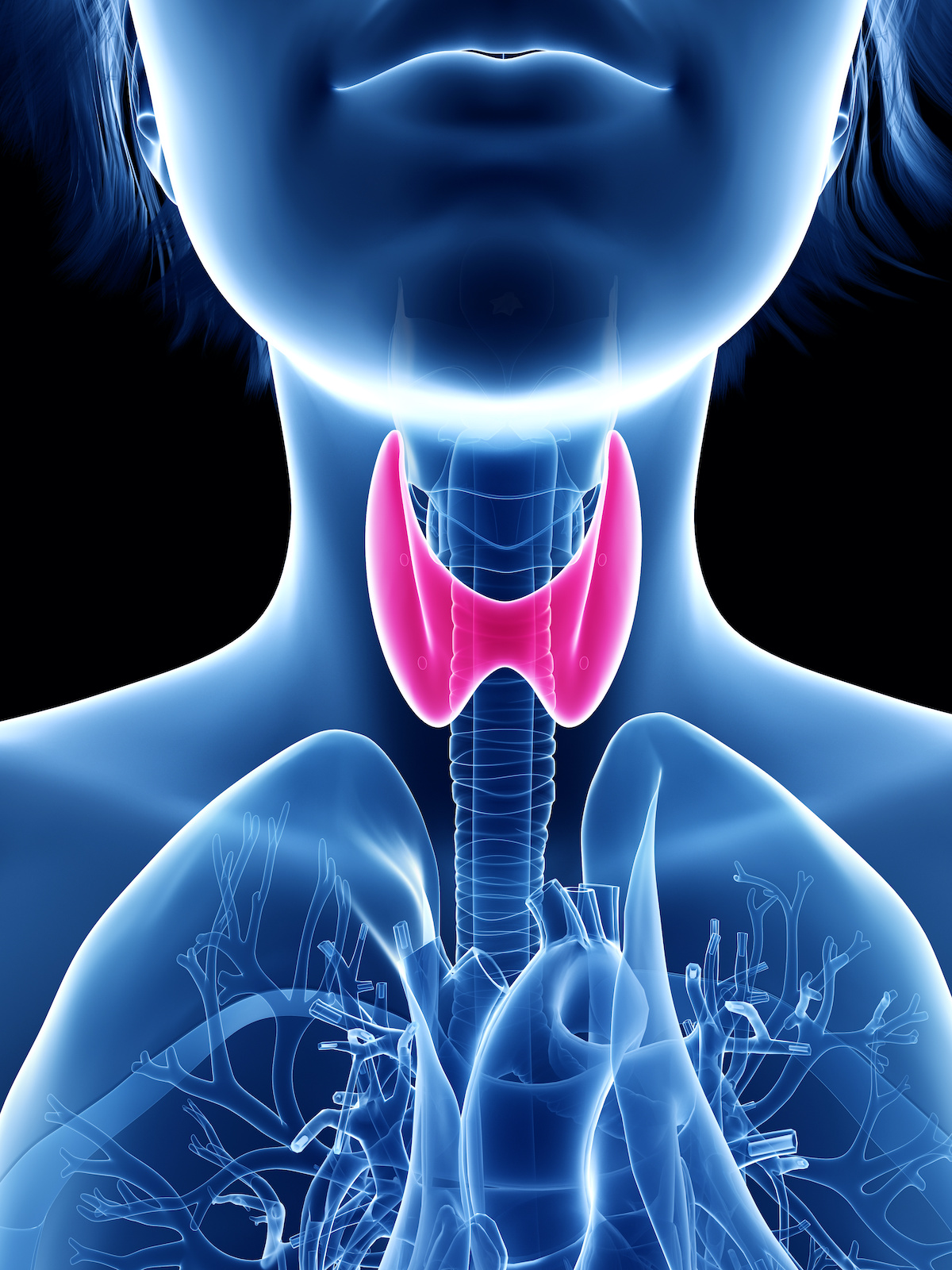
MEDICINE
Radiotherapy treatment using Cobalt-60 Radiotherapy
60Co

Cobalt-60

Used in radiotherapy to destroy cancer cells and to sterilise surgical equipment.
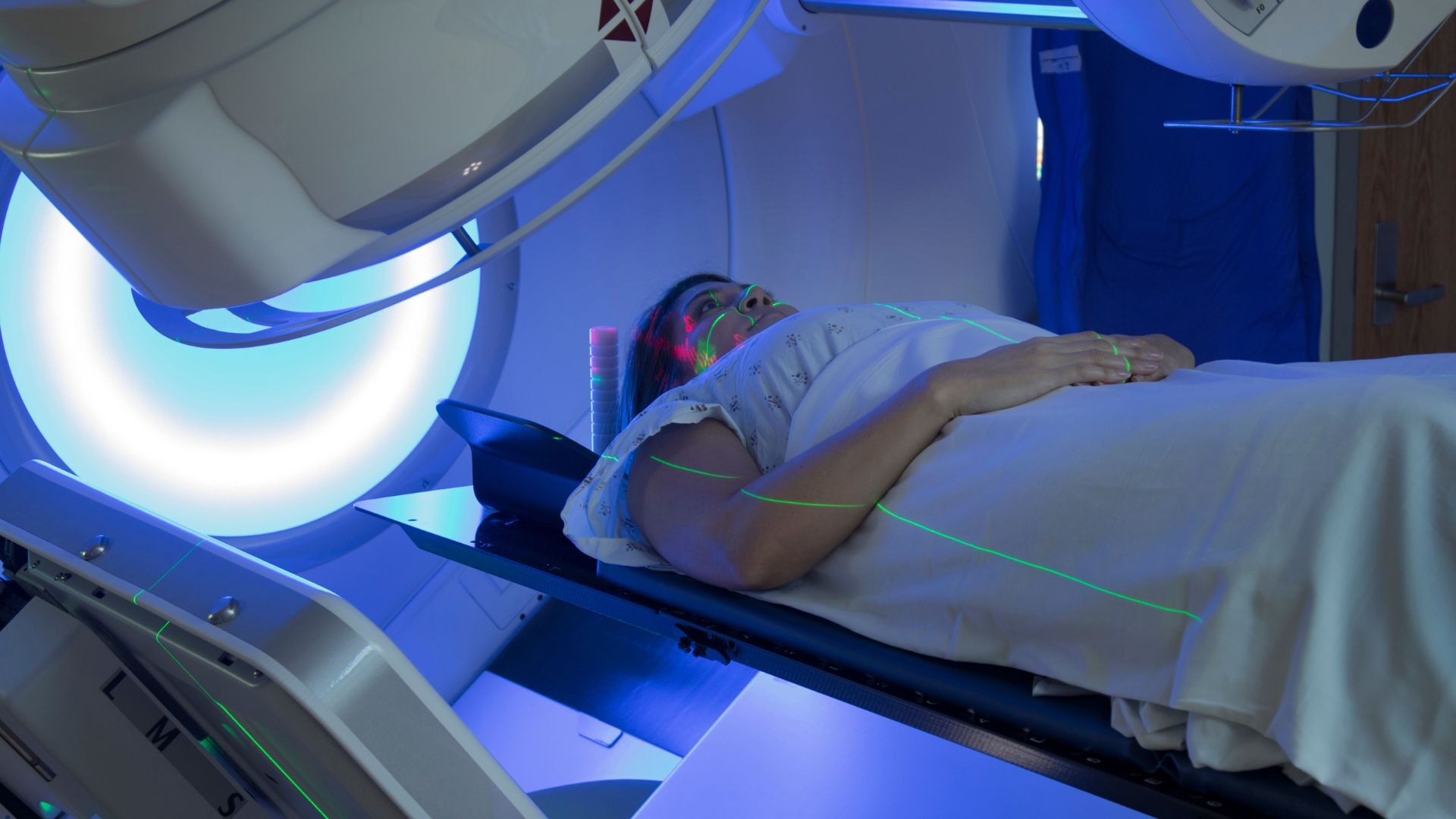
MEDICINE
Thyroid treatment Thyroid treatment
131I

Iodine-131

Used in the treatment of thyroid disorders such as hyperthyroidism and thyroid cancer.
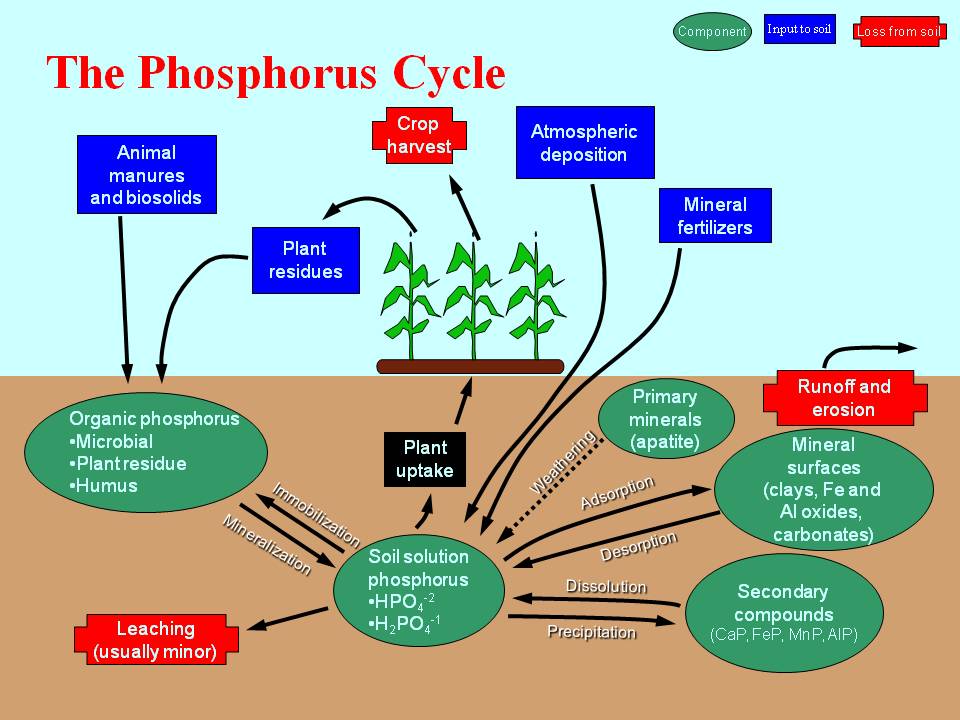
AGRICULTURE
Plant tracer experiment Plant tracer
32P

Phosphorus-32

Used as a tracer to study how phosphorus moves through plants and plant metabolism.
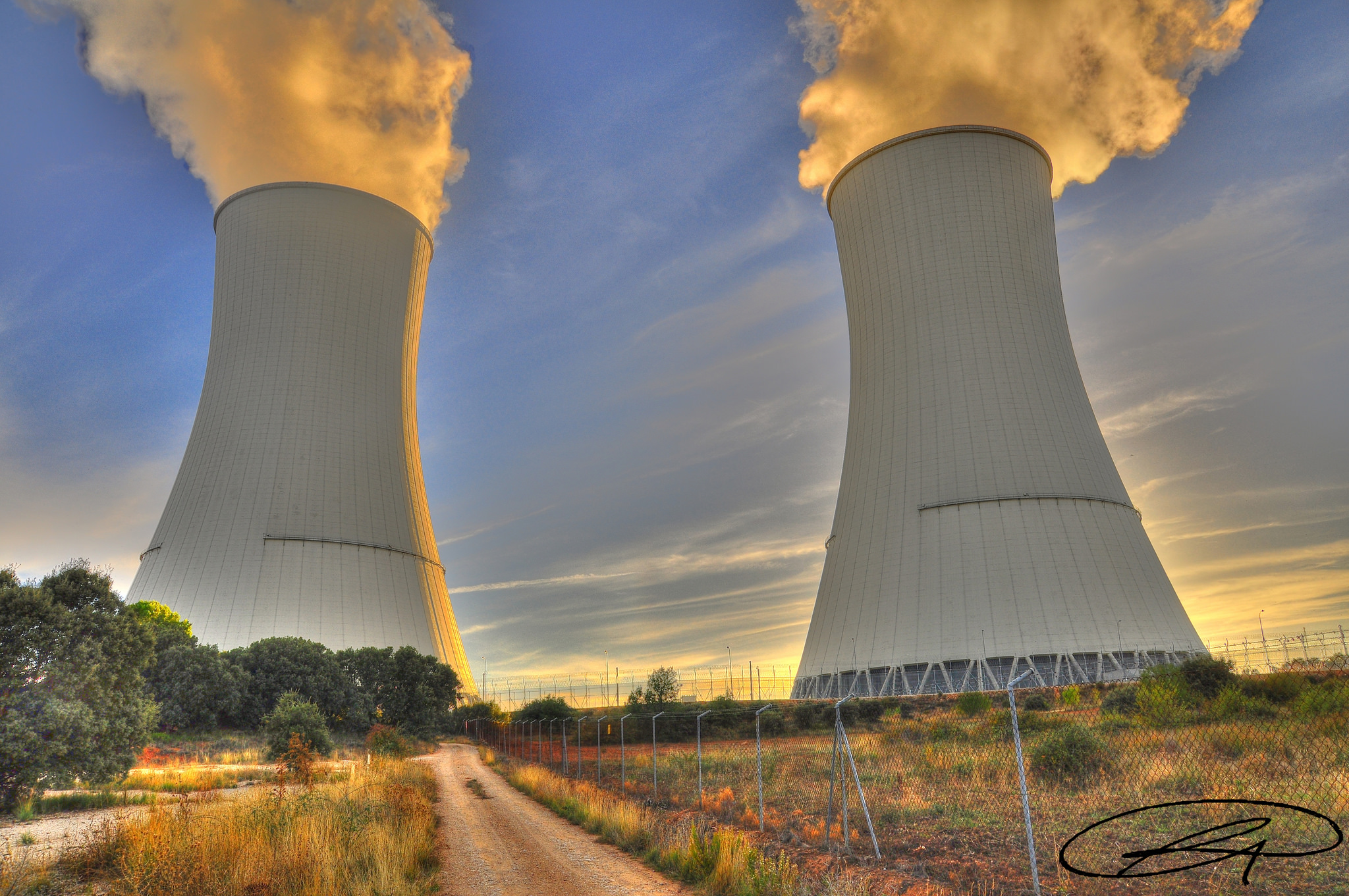
NUCLEAR ENERGY
Nuclear power station Nuclear electricity
235U

Uranium-235

Used as nuclear fuel for generating electricity in nuclear power stations.
ARCHAEOLOGY
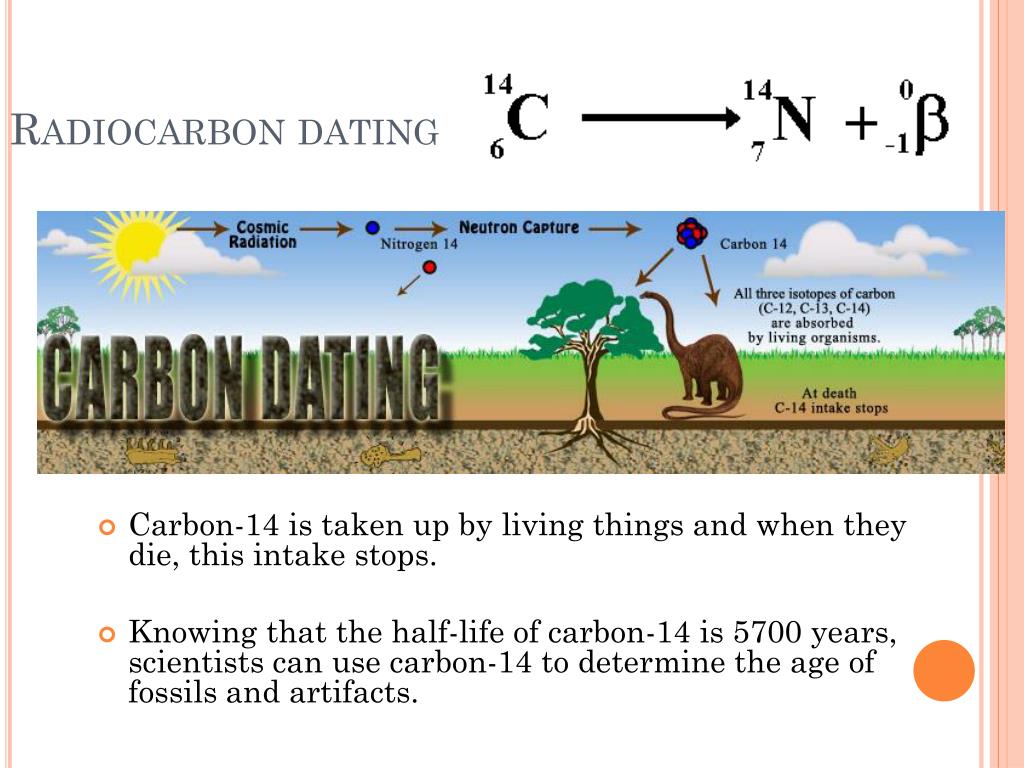
Nuclear power station Radiocarbon dating
14C

Carbon-14

Used to estimate the age of ancient organic materials, artefacts and fossils.
ARCHAEOLOGY & GEOLOGY
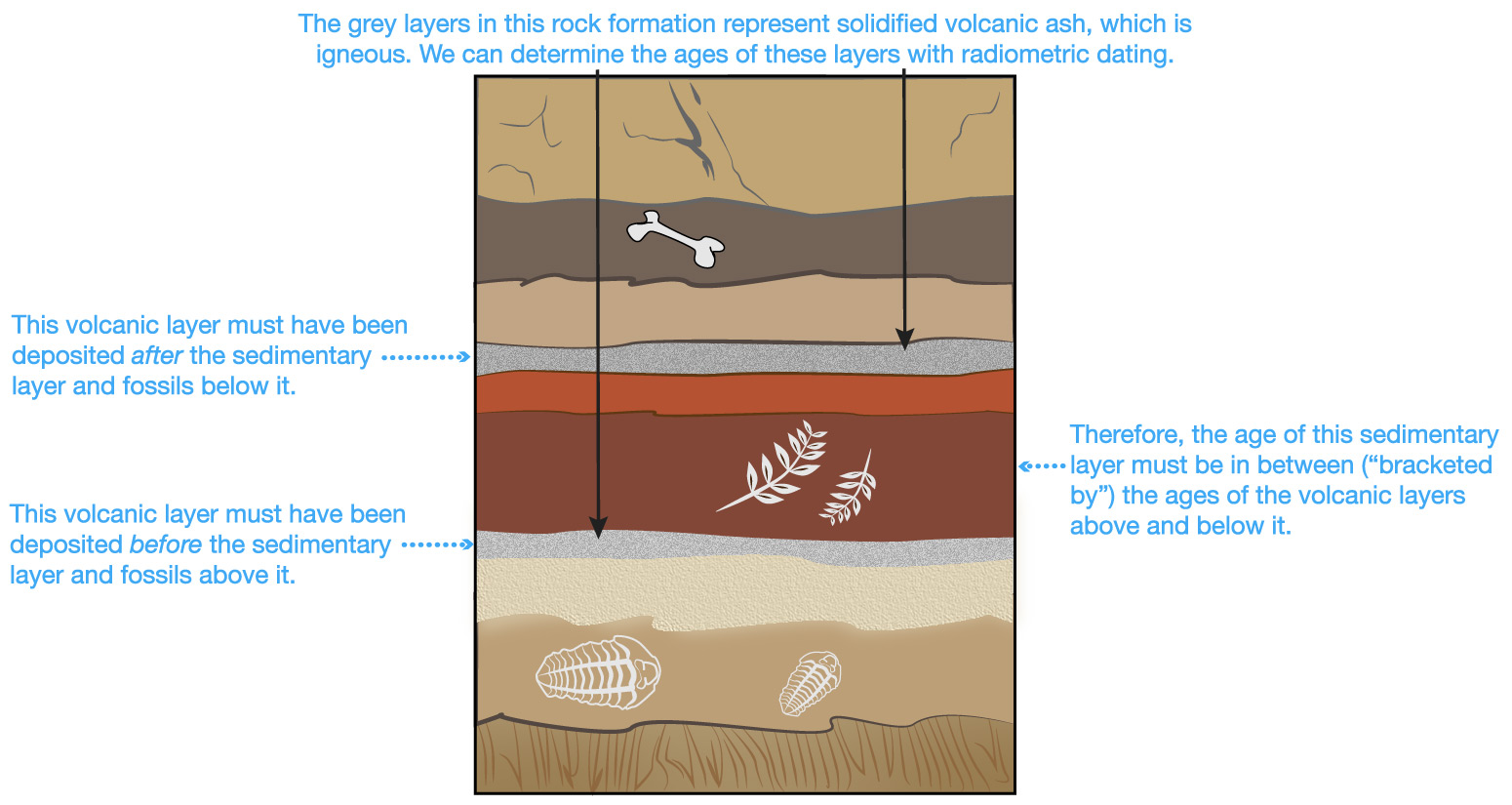
Nuclear power station Sediment dating
210Pb

Lead-210

Used to determine the age of relatively recent layers of soil and sediment.

INDUSTRY
Nuclear power station Liquid tracer
3H

Hydrogen-3

Also called tritium. It can be used as a tracer when studying sewage and liquid waste.
ENGINEERING
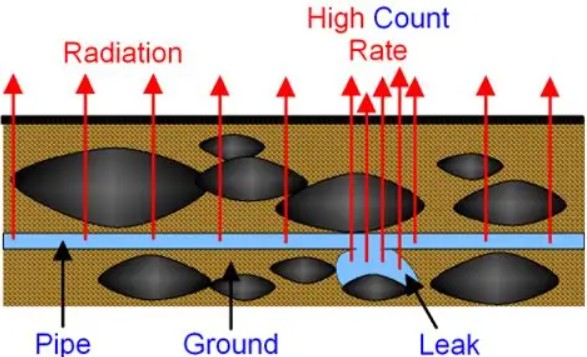
Nuclear power station Leak detection
24Na

Sodium-24

Used as a radioactive tracer to detect leaks in underground pipes.

Why radioactive isotopes?

Their radiation can be detected even when only a small quantity is present. This makes radioisotopes useful as tracers, but their radiation also means that they must be handled with suitable safety precautions.